I dedicate this post to my mother. And I hope, through what I have read and will attempt to share, that I will be a better son.
I will start by thanking Dr. Joshua Coleman for the lucidity and compassion that he brings to the topic of parental estrangement. It’s one of those topics I intuited, but simply did not have the language for. It is something that I have certainly felt as a parent and, if I’m being honest, have perpetuated as a child.

With the clarity that his words bring to what I will describe as a poisonous fog hanging low over contemporary society, I hope to make changes in how I relate to my mother. I will start with intention and, where it makes sense to do so, move into action.
With God’s help.
In a powerful essay for Aeon magazine, Dr. Coleman shares that many adult children have almost no contact with their parents. There are cases of egregious abuse and neglect, cases where being in the presence of one’s parents is actually dangerous.
But this isn’t the reality for most of us who choose to limit contact with our parents. Most of us are just selfish.
And by selfish, I am referring specifically to our preoccupation with our selves. We feel an imperative to separate ourselves from the influence of our parents. We want to put distance between us and their criticisms. We cannot flourish, bloom, blossom, or experience whatever other botanically-inspired growth metaphor we select in their presence. Or even within earshot.
Some of us aren’t calling. We’re not even returning emails.

When and why did we turn into such jerks?
Dr. Coleman cites a number of possibilities, but among them was the general disintegration of traditional roles. Contentious divorces and non-marital child bearing, for example, can undermine the perceived value of a parent. Our societal comfort level with estranged parents and single women who desire only insemination is a public statement that affording any kind of “station” to a parent is antiquated and altogether unnecessary.
And with the dismissal of parental rank goes any notion of duty or responsibility. All that is left is how we feel.
If being around our parents doesn’t feel good, we simply stop doing it.
In the book What is Marriage?: Man and Woman: A Defense, the authors warned (knowing it was likely too late) of exactly this in their argument against gay marriage. They recognized the ascendancy of the emotional domain in relationships as problematic.
People historically married for much more utilitarian purposes. There were economics involved, divisions of labor, the matter of procreation and controlled sexual expression, and diplomacy in the cementing of relations between tribes, clans, families, and even nations. Romance absolutely happened, but there were, in addition, so many other formidable advantages that buttressed the institution of marriage against the volatile winds of affection.
And within this institution, the participants were respected. The entire thing was held together not by feelings, but by obligation and reputation.
It all feels a bit stifling now, doesn’t it?
Of course it does. And the rallying cry of the those in support of gay marriage centered on the “right” to love whoever you want to love.
As if that was ever the basis for marriage.
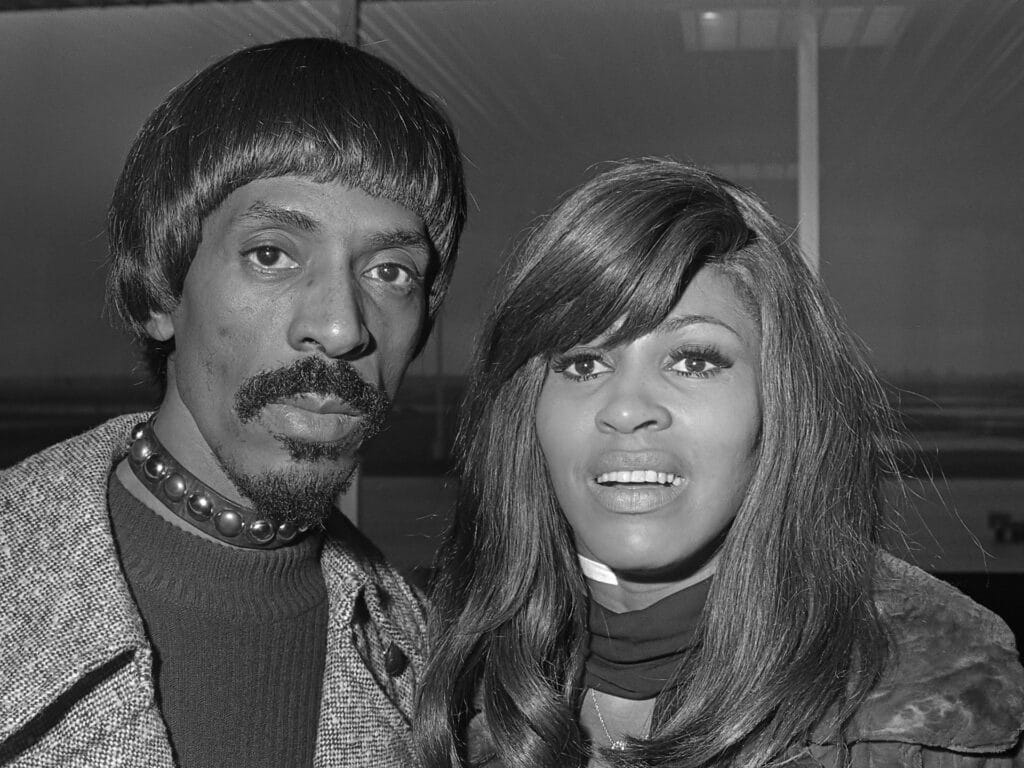
What’s love got to do with it?
How we feel is now the preeminent consideration in all things. And so we flit from partner to partner and we put as much distance as we can between us and those who remind us of our duty.
In the process we alienate our parents. Having assumed the risk of that estrangement, it’s nothing to shut out our partners.
So who better to deal with our feelings than the therapist? There was a time when mental health practitioners helped us to manage our obligations. But the market has shifted and we now have coaches and yogis and influencers all promising us that if we just follow our feelings, if we just take the time to connect with our own truth, all will be well.
And even as they say this, our young people suffer with unprecedented levels of depression, anxiety, hopelessness, and general dissatisfaction.
And We have enjoined on man (to be dutiful and good) to his parents.
Q31:14
This is why I am Muslim. I have encountered nothing else that articulates with such accuracy the human condition and offers the prescription for its improvement.
Societal recovery really is this simple. Be good to your parents.
Now suck it up and visit your folks!
You can read the full article here.
Leave a comment below for posterity or join us in the D&T Chautaqua Discord to discuss this post with other adventurous spirits from around the world.
Ma sha Allah
I moved to the States back in 2010 and one of the things that first hit me was how a lot of the elderly here were treated by their kids
Growing up and living a good part of my adult life in the Caribbean our parents are pretty much our eyeballs. At least one sibling lives with the parents his or her entire life. With his or her family
The old age home is not a place that is even looked at by most for the last few years of ones parents
The mental and other illnesses that comes with old age is not a reason for ones parents to be placed in a facility
The roll of the caregivers are then adopted by the kids and family members of that elderly person
I miss being able to interact with my mom
The down side of living in another country so far away
It’s one of my biggest challenges not being able to be there physically for my mom
I’ve heard the response o I see my folks during the holidays. I am always baffled tab that The lack of wanting to be in contact and be present in our Parents’s lives.
The pill hits home when they are no longer here with us on this earth. Then it’s to late so reach out call visit sit listen hold their hands tell them how much you love them and most of all thank them for all that they have done for us
Hamid.
“Democratic societies are characterised by a growing aversion to suffering. We are all the more scandalised by the latter’s persistence or spread because we can no longer resort to God for consolation. In that way, the Enlightenment gave rise to a certain number of contradictions from which we have still not emerged.
Today, emotions such as guilt or dispositions to help others become pathologised as ‘co-dependence’, ‘over-responsibility’ or ‘loving too much’. Therapists have accused parents who were highly involved of being emotionally incestuous or narcissistic, recasting historically high levels of parental involvement as self-serving rather than expressions of love or commitment.
Some know no other way to feel separate from their anxious and involved parents than to reject them.” Dr. Joshua Coleman
Great excerpt from the article. Your piece and his are both great. Everyday I am
validated more and more as to why Islam is the best religion. Learning to re-love and reconnect with my parents everyday, through the power of empathy, healing and forgiveness. I’d rather learn to love & grow, than stay anxious & avoid. May Allah SWAT forgive our parents and forgive us as no one is perfect and we all doing the best we can with what we got. Ameen.
Nina,
Great points.