
We’ve got 10-15 years until it all goes tits up.
This is not conspiratorial speculation. The flagrant power grabs, the widening social and financial disparities, the geopolitical posturing, the ascendency of transnational technocrats and their AI propaganda, the consolidation and expansion of global monopolies, and the relentless fleecing of the public sector are only a few of the indicators that we are on track with the accelerationists’ apocalyptic agenda.
We’re not prophets. We might end up off on the timing, but take everything here as an immediate priority regardless. If we have hopes of enduring the turmoil to come and we want to play an active role in rebuilding our post-apocalyptic world, then this is the time to act.
Side note: for all of the idealistic hotheads out there, do us all a favor and put your revolutionary fantasies to bed. There is no stopping the cataclysm to come. We’re only wasting precious time and energy trying to interrupt the inevitable. Instead, we need to talk about how we can weather the storm and become a safe harbor for the masses caught off-guard.
The Plan
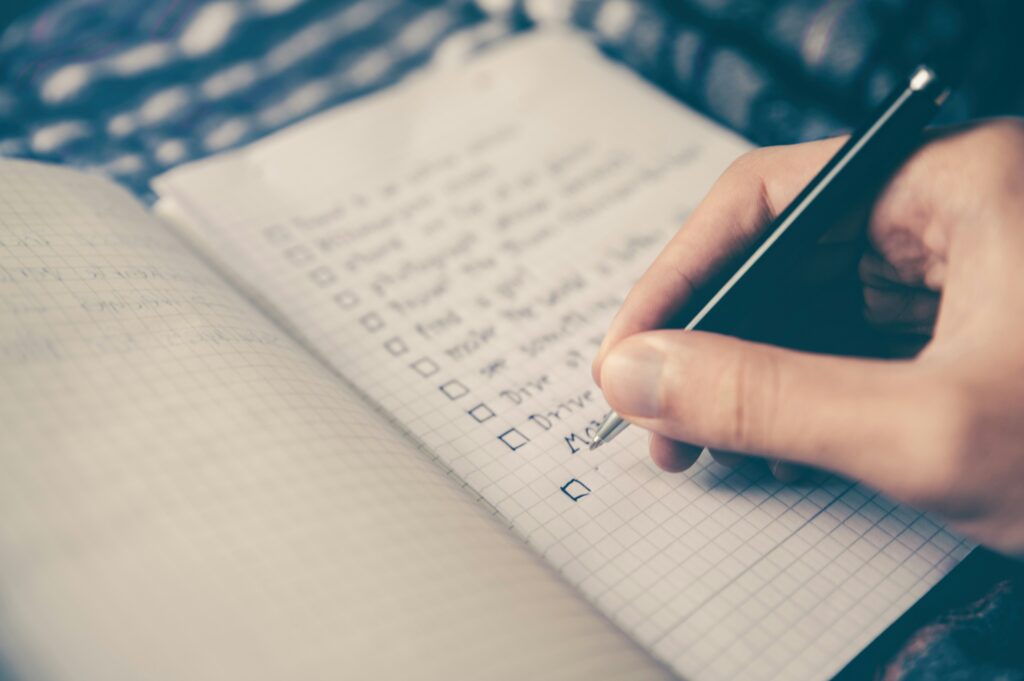
The first step is to distance ourselves from any agenda apart from being of service to one another as an expression of our gratitude to and reliance upon God. We are not interested in tearing down existing structures. The nation-state as an organizational model is already on the fast-track to implosion. Rather, our plan is to:
. . . simultaneously divest from established power and build the institutions required by the people. These institutions will be rudimentary, foundational things, really just demonstrations of solidarity and teamwork. But they will also become the proving ground for future leadership.
This starts today and it involves six key components: divestment, constitutional refinement, building primal skills, fostering interdependence, establishing communications, and protecting resources.
A critical awareness from the outset is the hyperlocal focus of these initiatives. The abject failure of globalism should be enough to disincentivize us from the creation of a more favorable version of the New World Order. We are suggesting instead a return to quasi-tribalism, small bands of interdependent families working together to keep everyone afloat. It should be further noted that this is not some utopian template. Friction is anticipated and will very much be part of the process. Communities will grow and aggregate with others. Intentions will become diluted and compromised. Everything will eventually fall apart . . . again.
But those are problems for another day. The point is that we’re not trying to create perfect societies. We are interested only in building communities that are functionally robust enough to see us through the end of supply-chain economics and to set the foundations for early post-apocalyptic stabilization, God willing.
Divestment
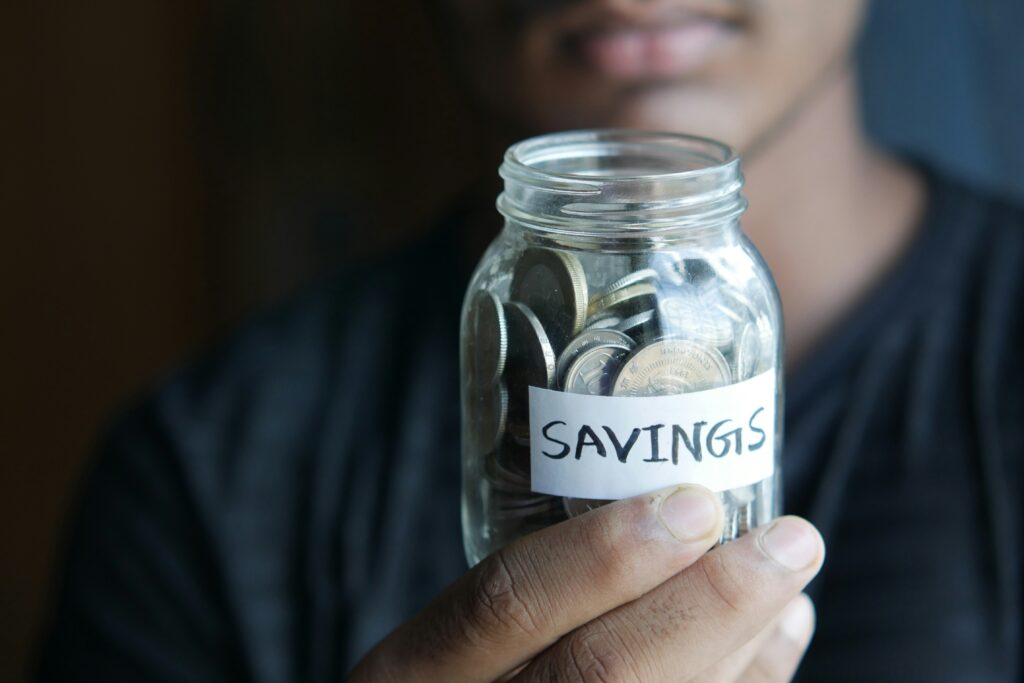
Pay off your debts, cash out stocks, abandon crypto and invest in tangibles: gold, silver, seeds, livestock, land, and fuel.
We’re already seeing the extent to which the exchange can be manipulated by insider trading to bankrupt the working man and line the pockets of an aspiring oligarchy. And when cryptocurrency isn’t breaking its acolytes through rug-pulling schemes, it still remains far too dependent on a power grid that is only one solar storm away from annihilation. Our intention must remain fixed on minimizing liabilities and building a portfolio of hard assets that will carry value irrespective of global events.
Paying off mortgages may require creativity and sacrifice. Young adults might consider staying in the parental home to assist with monthly expenses. Those of us with acreage can lease subdivisions for more income. Working as a collective will pay in financial, social, and logistical dividends as we learn to cooperate for a greater good.
Constitutional Refinement
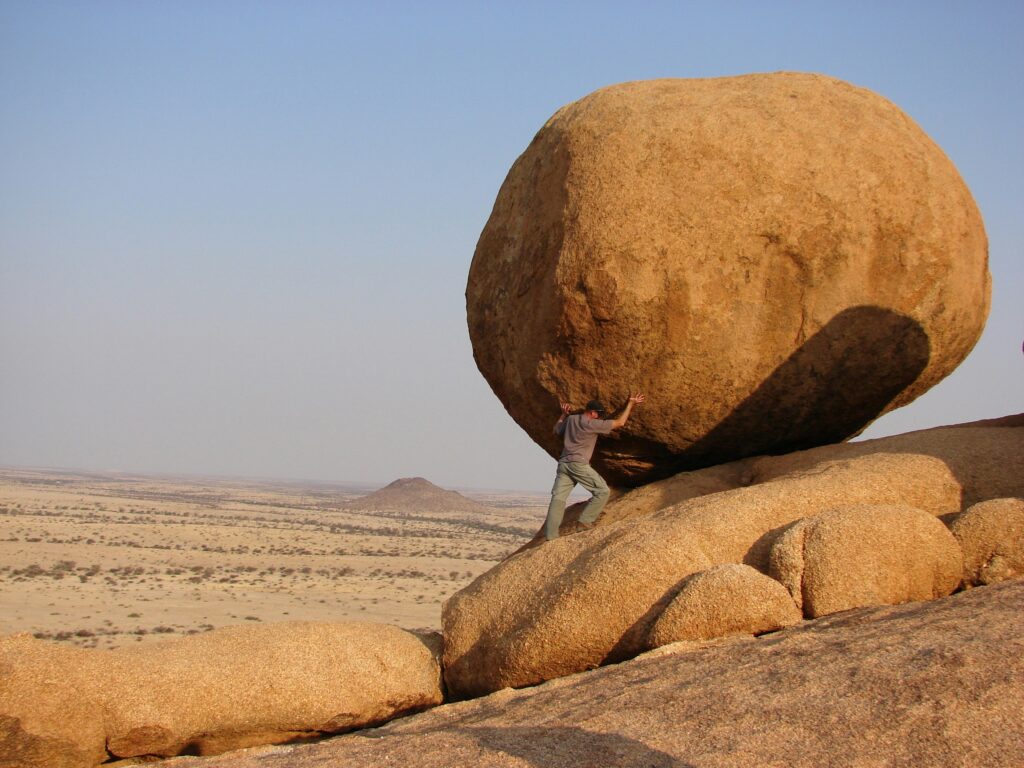
This is about building character and resilience.
We like to blame people in power, but the only reason things have gotten this far in our apocalyptic trajectory is because we were too comfortable to stop them. We deserve everything that we’ve got coming. There were opportunities at every turn, but we weighed the cost of action against the risk of inconvenience and our complacency won out. This is now being weaponized against us through ever more immersive forms of entertainment and distraction, often in exchange for our material wealth. We pay a lot of money to stream our movies, to have meals delivered, and to play the latest and greatest triple-A video games.
We are all oppressed to varying degrees and it’s our own fault. The first step in refining our constitution is to stop blaming others and to start taking accountability. Then we take action.
We build our constitution by getting outside. Dust and Tribe has been inviting you into the wilderness since 2012. You don’t need to do it with us, but you need to get out there. You need to be cold. You need to sleep in the dirt. You need to be scared and disoriented so that you can learn to calm yourself and stay focused under adverse conditions. You need to log miles with a pack to build strength and endurance. You need to climb rocks to build confidence and agility. You need to learn how to start and maintain a fire, how to ration calories, and how to eliminate and clean yourself when there are no facilities. This is true for men and women.
These measures will go some way toward building physical and emotional resilience, but we need to similarly deepen our spiritual reserves. I’m a Muslim and for me that means remaining constant in the observance of daily prayers, eating only that which is religiously permissible, and abstaining from what God has forbidden. Where I fall short, I ask forgiveness and try again.
The linkage between getting outside and religious observance is in the intentional election of rigor. We straiten our circumstances on purpose to holistically evolve our constitution. Most of us won’t do that and natural selection will weed such liabilities from the gene pool. We can decide now if we want to be part of the challenging future or if we’d rather just sleep.
Forever.
Building Primal Skills
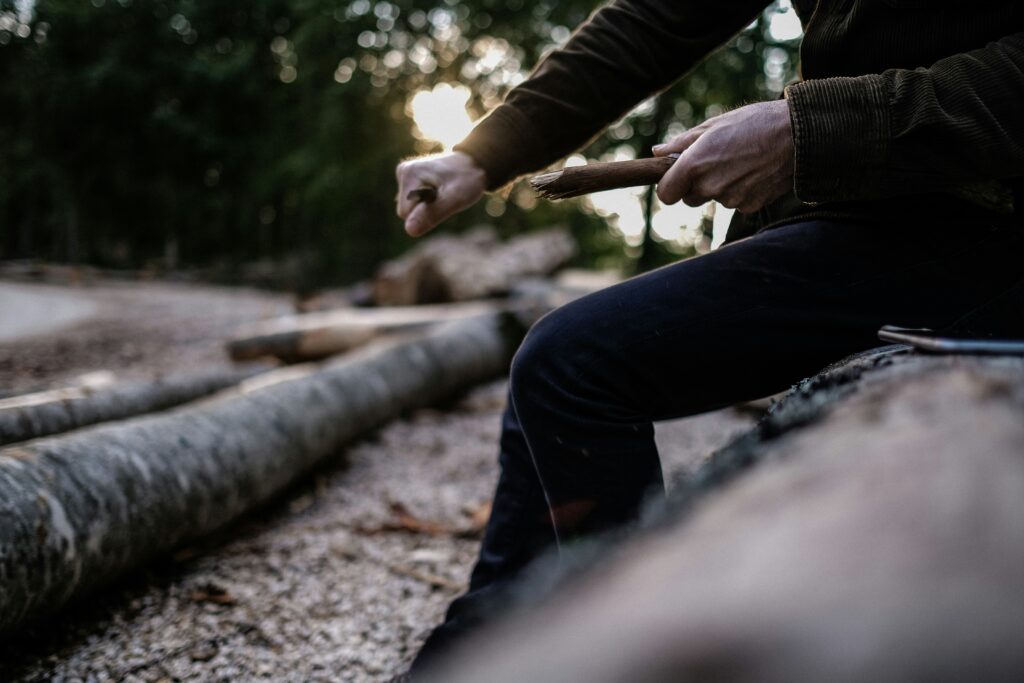
If money and circumstance allow, move into the country. A rural life will force you into becoming at least partially versed in building fires, shelter construction, and small engine repair. If you have some acreage you can host livestock and learn about animal husbandry. You’ll learn to pay attention to the weather and to set stores ahead of winter. You’ll become much more intentional about stewardship and resource management.
If this is not possible, rewild your urban accommodations. Plant gardens, even if only on your windowsill. Propagate rabbits for meat. You’ll learn to butcher, tan hides, and craft useful items from their preserved pelts. If you have a backyard, plant potatoes and nut trees: carbohydrates, starches, and fats. Consider chickens and bees for hassle-free protein and glucose. Worry less about zoning and more about what this might mean for your neighbors. The municipality doesn’t get involved unless the people around you have a problem. A ration of eggs or honey could go a long way toward managing relationships, keeping the city out of your business.
Learn to forage. There are tons of edible and medicinal plants all around us. Find a teacher and take a plant walk to learn about beneficial natives and useful invasives that you’ll actually be encouraged to harvest. Consult an urban foraging map to find fresh, local fruit free of charge. Those trees will still be there when the dust settles, insha Allah.
Learn to hunt and fish. Hire a guide. Find a friend or a neighbor to mentor you. A time is coming when such skills will no longer be recreational pursuits, but essential to the preservation of life and community.
Fostering Interdependence
We need to be useful.
And we want to create alliances that center utility above any other consideration.
While not quite worthless, training in humanities, law, tech and finance will have limited utility in the near future. The engineers and medical professionals will remain useful for their provision of logistics and healthcare, though these will initially be abstract and contingent services. Better still will be the tradesmen: the laborers, the repairmen, the mechanics and bricklayers whose work will be almost immediately beneficial. Most valuable of all will be the farmers and herdsmen with the skills to nourish the struggle.
As a Muslim, I subscribe and have a certain level of allegiance to the notion of umma, that transnational polity of Muslims that we’ve all been acculturated to recognize as our social priority. This will continue to be important. But as we prepare to speedrun the apocalypse, I will choose to see Islam not as a condition but as a potential.
In our bid to foster interdependence through hyperlocal alliances, I will gladly pass on the Muslim who offers no utility in favor of the non-Muslim who brings benefit by way of knowledge, skills, and resource sharing. This may seem to run afoul of the following Quranic injunction:
O believers! Take neither Jews nor Christians as guardians—they are guardians of each other.
Q5:51
Do with that what you will, but in the mean times ahead I intend to follow the example of the Prophet, may the peace and blessings of God be upon him, who directed his nascent and harangued community to the Christians of Abyssinia for alliance and protection. The Abyssinians were useful. They had power and resources, and in exchange, that Muslim delegation brought them God’s Message which inclined their hearts to the Muslim cause. There are ongoing debates as to whether or not the Abyssinian Negus became Muslim, but this is what is meant when we assert Islam as a potential and not a condition. Guidance is through God alone and those who are Muslim today may not be tomorrow. With no insight into final existential outcomes, in building alliances it makes the most sense to prioritize persons who can make immediate practical and communal contributions.
Ideally, we wouldn’t have to make that choice.
Right now is the opportunity for Muslims to take leadership in the post-apocalyptic rebuild through our demonstration of knowledge, skills, and resource sharing. Apart from mosque attendees, does our local community see us as providing benefit and utility? Are we attending to the needs of our brothers and sisters in humanity through the provision of goods and services? This need not be charitable. Observant Muslims running local businesses are on the front lines in this respect. Are our places of business maintaining regulatory standards while presenting as open to all?
In the panic to come, people will default to what they know and not what we promise. If all we’ve ever been is an insular community preoccupied with the affairs of the poor and oppressed in every corner of the world except the place we live, there is no reason that anyone would look to us for direction. We have less than 10 years to make a case that we are the alternative to a ruined system.
Here’s how we do that.
Barter goods and services with your neighbor. Are you a pharmacist? Trade medication education for fresh-baked bread. Are you a stay-at-home mom? Offer meal prep in return for an oil change. Use the Nextdoor app (or similar) to list whatever you’re offering in exchange for the things you need. Don’t exchange cash. We’re building an alternative economy based on utility and mutuality starting now.
Establish a local ROSCA, a rotating savings and credit association. Start with a small group of 5-10 persons. Everybody pays $50-200 dollars into a pool that is distributed to one participating individual. The next month it goes to a different person and on like that until everyone receives a payout. The lump sum serves as a kind of loan to those who first receive money, and more like a savings account for those at the end of the line. In addition to the potential financial benefit, participants have the critical opportunity to demonstrate their trustworthiness and reliability.
Avoid the doctor. Necessary medical disclaimer: I am not a doctor. But I am a registered nurse and have been practicing across a number of different fields for thirty years. I have strong opinions about the state of healthcare in America, and you’re about to read a few of them. What you do with this information is on you.
The CDC reports that, on average, 39% of physician visits involve the management of a chronic condition. Preventative care accounts for nearly 23% of visits and another 24% of patients are coming in for a new problem. Add them up and you have nearly 90% of a doctor’s caseload that will be significantly less relevant in the turmoil to come.
Here are some hard truths about how impending societal collapse will recontextualize healthcare.
Those of us with life-threatening chronic conditions are a liability. Our utility is compromised, we are a drain on resources, and in those cases where the chronic condition is genetically linked, we risk weakening the gene pool. This is perhaps a cruel take in a time of robust infrastructure and comparative abundance, but that is not the immediate future. Before consigning our chronically ill to death, however, we need to first recognize that this is our time to maximize personal responsibility in the management of our chronic conditions, many of which can be significantly improved (and even eliminated) through radical lifestyle adjustments. Most of us know this, but we haven’t made the changes in part because modern medicine has saved us from the worst manifestations of our illness.
That’s about to change. We need to optimize our functionality through education and discipline, or else embrace the imminence of our debility and death as a service to others. There is honor in either path, for our Prophet, may the peace and blessings of God be upon him, has implicated love of life and fear of death as the basis for our enfeeblement.
Preventative care will have little value in a world where we only have limited access to follow-up specialty visits and advanced diagnostics should something be picked up on initial screening. The best preventative care has been and will always be the practice of nutritional moderation, intermittent rigorous physical activity, and managing our spiritual and emotional health through contemplative engagement with the natural world.
The 24% of patients with “new problems” reported by the CDC often present to the doctor with self-limiting conditions: minor upper respiratory infections, allergic reactions, transient GI distress, and curious skin eruptions. In virtually all of these cases, the troublesome symptoms are actually indications of a healthy immune response to illness which we experience as problematic and inconvenient. We then seek to sabotage this immune response with medications that make us more comfortable.
The mantra among many responsible healthcare clinicians is that we don’t immediately treat unless a condition persists or worsens over the course of 48-72 hours. Letting a low-grade fever ride for a couple of days isn’t going to kill most people. If it does, there were bigger issues. Plenty of rest, warm fluids, and keeping food intake to the limits of one’s appetite is a perfectly valid approach to many common ailments. We nurture and support our often-uncomfortable immune response and develop patience, confidence, and resilience in the process.
The takeaway is that we need to minimize our reliance upon a healthcare system that, while already very seriously broken, may well become fractured beyond any capacity to offer meaningful services beyond addressing acute physical trauma and injury. Think about the medical missions to war-torn countries. Those brave and selfless clinicians are not focusing on grandma’s osteoporosis. They are removing shrapnel from children and amputating the mangled limbs of women and men pulled from rubble piles.
A choice to avoid doctors is a choice to take greater personal responsibility for one’s health so that our challenges do not become someone else’s problem. This is an invitation to learn about regional folk medicine, to explore various holistic healing modalities, to eliminate processed foods, to rein in addiction, and to prioritize nutrition, sleep, exercise, and stress-reduction through the contemplative opportunities available through prayer, meditation, and getting outside. We then make ourselves useful by sharing our learning and experience with others to boost our collective health, God willing.
Establishing Communications
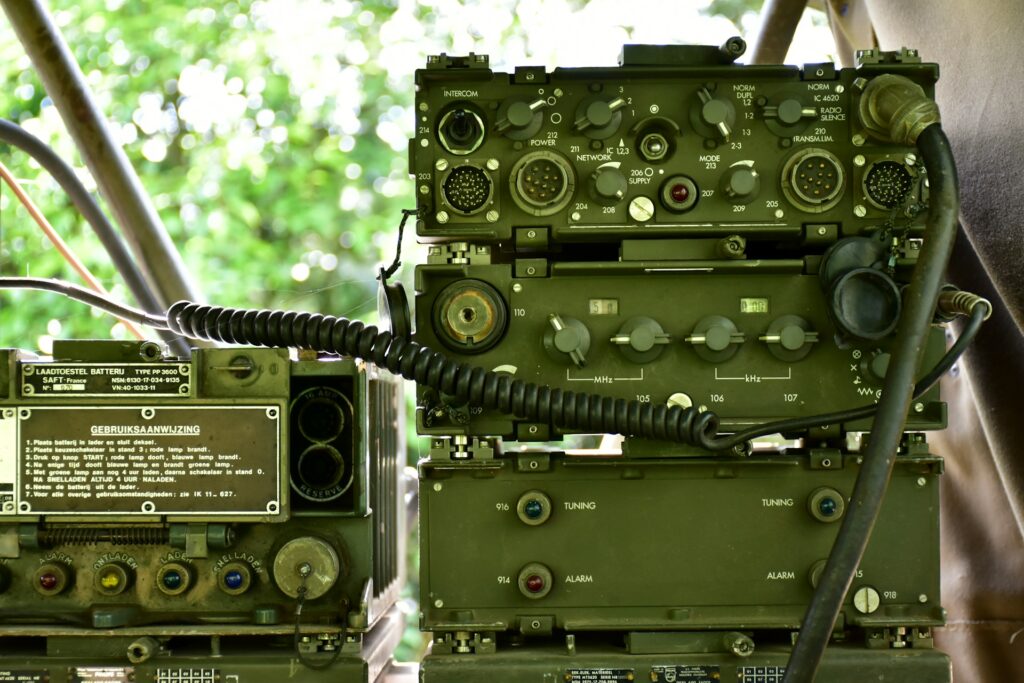
Existing communication infrastructure is compromised. While currently functional, it is increasingly a tool of surveillance. Our mobile phones are tracking devices. Our browsing history is logged and scrutinized. Our contacts are profiled. Massive data centers are being planned and constructed with the intent of aggregating this information and running it through predictive AI models to prosecute thought crimes that we have yet to conceive.
In addition, our networks are exceptionally fragile. When the power grid goes down, all goes silent.
Those with technological proficiency can help us appreciate and mitigate these threats. We need to explore, establish, and acclimate to the use of radio signals, either through proven Ham tech or the newer LoRa mesh networks. These are potentially robust solutions with very low power requirements that can help us stay in touch. In the case of Ham, this is true even over very long distances.
Protecting Resources
The energy that we put into rebuilding society will leave us vulnerable. And the more successful we are in the generation and stewardship of resources, the greater the threat.
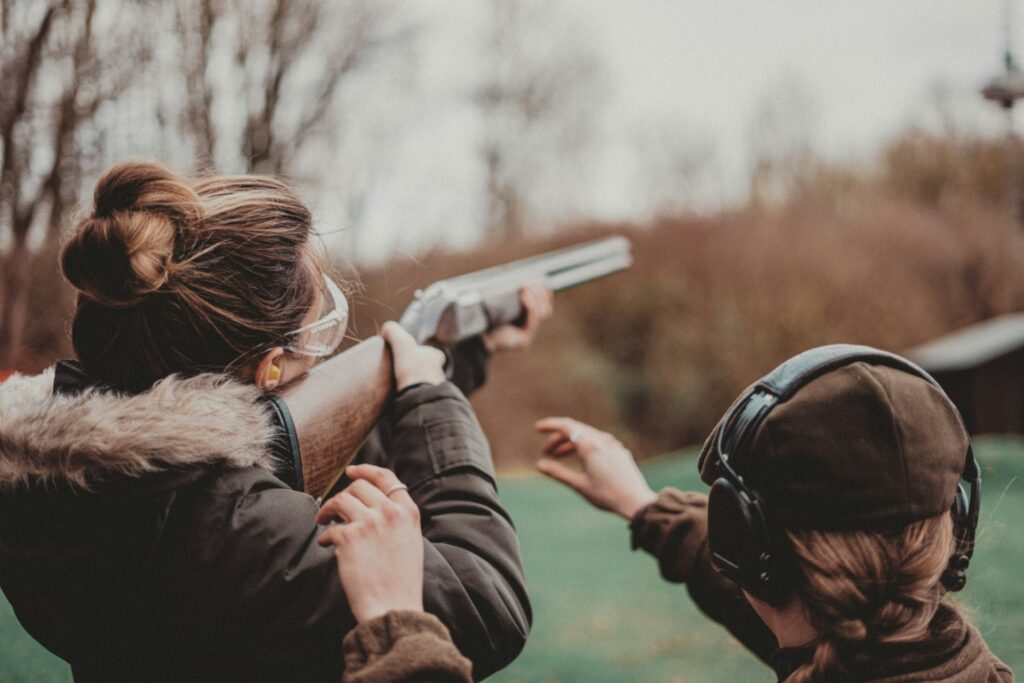
Defending ourselves tomorrow means improving our physical conditioning today. We should take very seriously the prospect of martial arts and firearms training. Learning how to use a gun and gradually building our ammunition stockpiles are rights and responsibilities Americans have been taught to take seriously. We are running out of time for any moral grandstanding on the issue of gun ownership.
Choose your weapon and master it.
Act Now
We have no idea if any of this will actually help anything. We have no idea if there will be anything to actually help. What we do know is that there exists a power structure that wants to see us remain servile and complacent.
We don’t see any value in directly challenging that power structure. We’re too far gone. But we can work to understand it and anticipate its threats to our autonomy and integrity. And that’s all any of this really is: encouragement to live and learn through whatever comes.
Progressio quolibet veniet.
Leave a comment below for posterity or join us in the D&T Chautaqua Discord to discuss this post with other adventurous spirits from around the world.
It’s time to MOVE!